Speech delay and autism in children: how to understand what's happening and how to help
If your child isn't talking or is developing "differently from others"
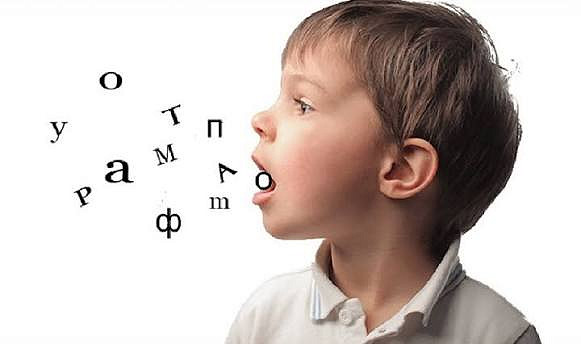
Many parents face this worry:
the child doesn't talk, doesn't respond to their name, avoids contact or seems to be "in their own world".
They often hear:
- "just wait — they'll start talking"
- "every child is different"
- "boys start talking later".
Sometimes that's true.
But sometimes these features may point to conditions where it's important not to lose time.
What speech delay and autism are
Speech delay
This is a condition in which speech develops more slowly than in peers.
The child may:
- not say words expected for their age
- use only individual sounds
- have difficulty understanding what is said to them
Autism spectrum disorders (ASD)
These are developmental differences that affect:
- communication
- social interaction
- behavior
The child may:
- avoid eye contact
- not respond to their name
- avoid contact with others
- repeat the same actions
Important: autism is not a "life sentence", but a condition that can and should be worked with.
When to see a specialist
It's better not to wait if you notice that:
- your child isn't talking by 2–2.5 years
- doesn't respond when spoken to
- doesn't use gestures (doesn't point or reach)
- doesn't play pretend games
- avoids interaction
- there is regression — the child has stopped doing things they could do before
Even if you're unsure, it's better to get checked.
How diagnosis works
In the Pediatric Neurology Department, we don't diagnose "by eye".
The examination is always comprehensive and includes:
- a consultation with a pediatric neurologist
- assessment of speech and cognitive development
- observation of the child's behavior
- if needed, EEG, MRI and genetic testing
Our goal is to understand the cause, not just to "put a label" on the child.
Why this matters
Similar symptoms can have different causes:
- developmental differences
- neurological disorders
- epileptic activity
- genetic factors
And the treatment approach depends directly on this.
How we help children with speech delay and autism
Treatment is always individual.
There is no "single pill" or "one method for everyone".
We use modern, evidence-based approaches:
Medical support
If needed, therapy is selected to help improve how the nervous system works.
Developmental programs
Work on developing:
- speech
- communication
- attention
- behavior
Addressing the causes
If there is a neurological or genetic basis, we take it into account in treatment.
Support for parents
We explain:
- what is happening with your child
- how to interact with them in the right way
- how you can help them at home
The most important thing to know
Seeking help early is key.
The earlier the work begins:
- the better speech develops
- the easier it is to build communication skills
- the better the child's chances of adapting
Calm instead of fear
It's very important to know:
speech delay and autism are not "the parents' fault" and not a "life sentence".
They are conditions that can be worked with.
With the right support, many children:
- start talking
- learn to communicate
- adapt to society
When to book
If something about your child's development worries you, it's best to discuss it with a specialist.
Even one consultation can:
- ease your worry
- give you a clear plan of action
- help you not lose time