
Flat feet in children: when it's normal and when treatment is needed
"Does he have flat feet?" is one of the most common questions parents ask. And it's important to ease the worry right away: in young children, flat feet are usually normal, not a disease.
The foot develops gradually. Children have a fat pad and their muscles and ligaments are not yet fully developed, so the arch of the foot may not be visible. It usually starts to form by the age of 5–6.
If a child is active, does not complain of pain and moves normally, in most cases no treatment is needed — only monitoring.
When to take your child to an orthopedist
You should see a doctor if your child tires quickly when walking, complains of pain in the legs or feet, their gait changes, the feet roll strongly inwards, there is asymmetry, or "flat" feet persist after the age of 5–6. It's important not to judge by the appearance of the foot alone.
How diagnosis works
At the appointment, the doctor assesses not just the shape of the foot, but how it works: how the child stands and walks, how the load is distributed, and how the muscles work. Additional tests are ordered if needed. This helps distinguish a variant of normal from a condition that requires treatment.
Do flat feet need treatment?
Not always. If it is a physiological condition and there are no complaints, no treatment is needed — monitoring is enough. If there are symptoms or functional problems, an individual approach is chosen.
What really works
Treatment is based on active methods: therapeutic exercise, exercises to strengthen the foot, building good movement habits and managing physical load. This is what produces real results.
Myths about flat feet
The most common myth is that all children need insoles. In fact, they are prescribed only when indicated. Orthopedic shoes alone do not treat the foot, and massage can be a useful addition but not the basis of treatment.
Another common mistake is treating "just in case". This often leads to unnecessary prescriptions that don't help and sometimes interfere with the foot's normal development.
When more serious treatment may be needed
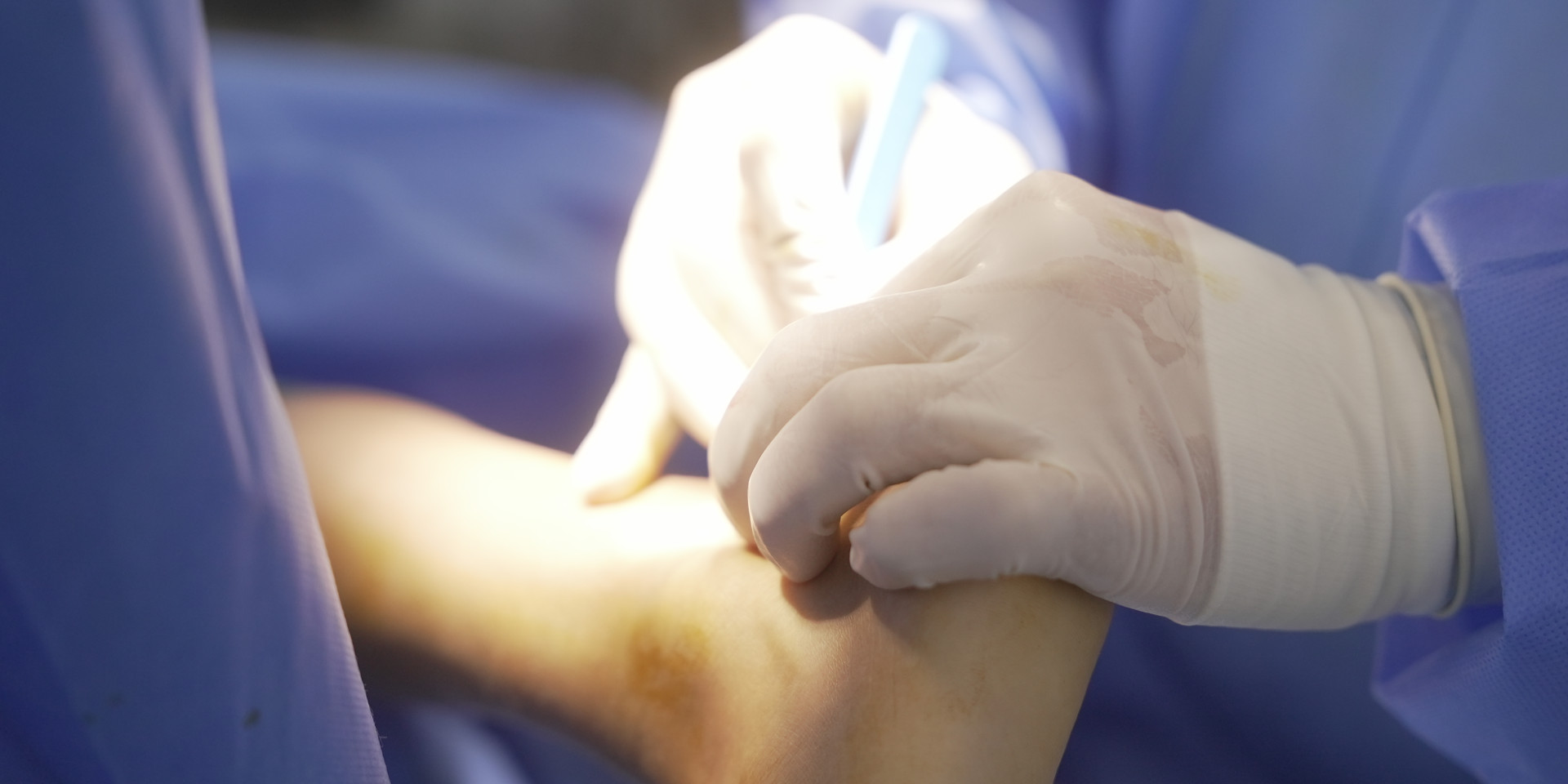
These are rare cases. They usually involve marked deformities, persistent pain, gait problems or a lack of response to conservative treatment. The approach is always decided individually.
Why choose our Center
At the Children's National Medical Center, the child is assessed comprehensively. If needed, an orthopedist, neurologist and rehabilitation specialist are involved to see the full picture and choose the right treatment.
All diagnostics are available in one place — X-ray, MRI, MSCT. This makes it possible to make an accurate diagnosis quickly without wasting time searching for examinations.
We use an evidence-based approach and tailor treatment to each child — without unnecessary prescriptions.