Pediatric neurology: diagnosis and treatment of nervous system diseases in children
When does a child need a neurologist?
Delayed speech, seizures, frequent headaches, problems with behavior or learning — all of these may be related to how the nervous system works.
Sometimes the symptoms are obvious.
Sometimes they look like "developmental quirks".
But it is precisely in childhood that it's important not to miss the moment: many neurological conditions respond better to treatment when diagnosed early.
What problems we work with
The Pediatric Neurology Department helps children with a wide range of conditions:
- delayed psychomotor and speech development
- epilepsy and seizure disorders
- autism spectrum disorders
- cognitive and behavioral disorders
- headaches and migraines
- consequences of perinatal damage to the nervous system
- autoimmune diseases (encephalitis, panencephalitis)
- rare and genetic neurological diseases
We work with both common and complex, rare cases.
When to see a neurologist
See a specialist if you notice that:
- your child is falling behind in development (not holding their head up, not sitting, not talking on time)
- there are seizures or episodes of "freezing"
- frequent headaches
- sleep problems
- sudden changes in behavior
- difficulties with learning and concentration
- loss of previously acquired skills
Even if the symptoms seem minor, it's better to check and rule out serious causes.
How diagnosis works
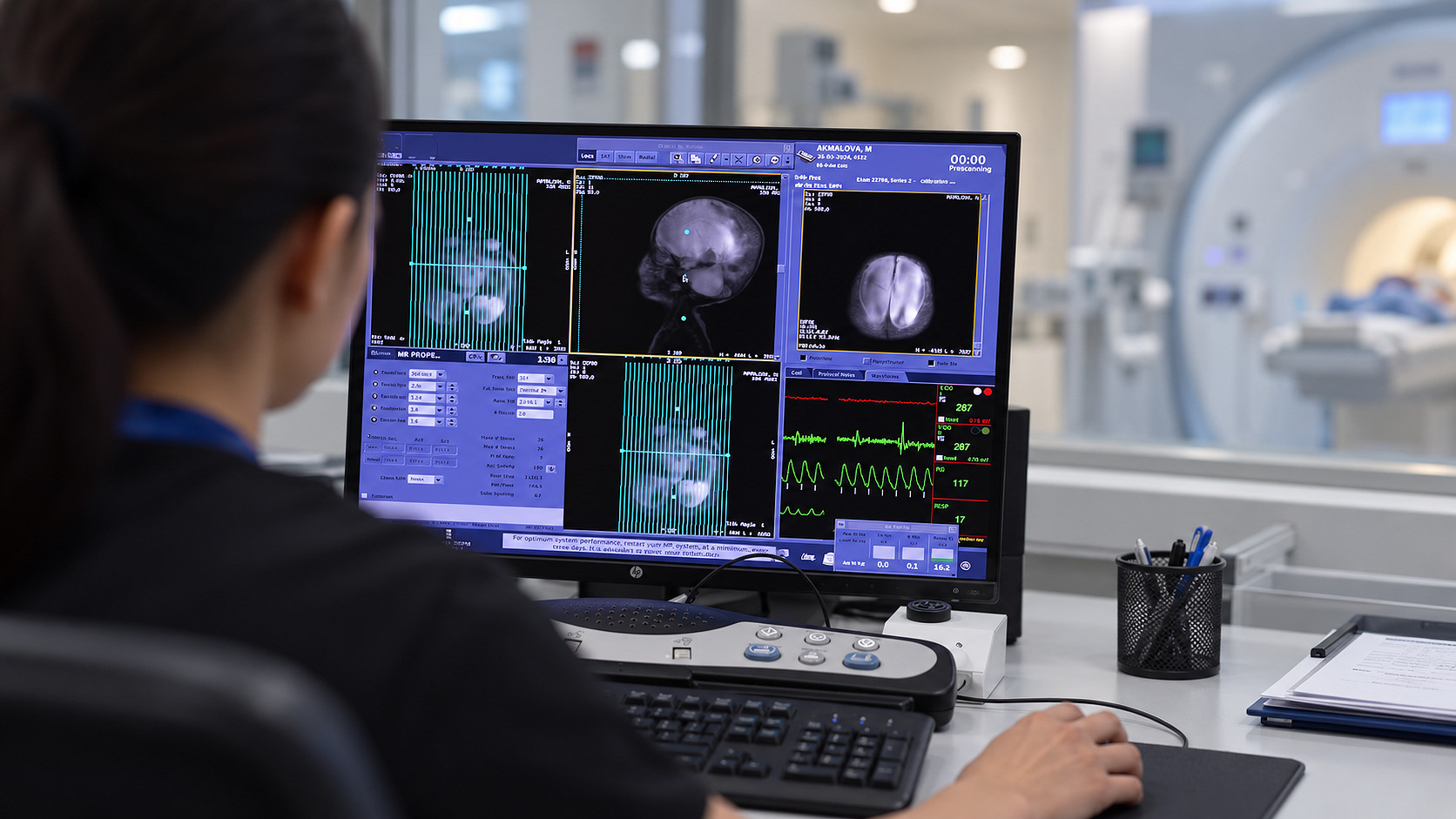
Accurate diagnosis is the foundation of effective treatment.
The department uses modern and safe methods:
- video-EEG monitoring
- high-resolution neuroimaging (MRI, CT)
- genetic testing
- a comprehensive assessment of the child's development
This allows us not just to make a diagnosis, but to understand the cause of the disease.
How treatment works
Treatment is always tailored to the diagnosis, age and needs of the child.
We use:
Medication
Personalized treatment plans, including for epilepsy.
The ketogenic diet
For forms of epilepsy that do not respond to medication.
Neuromodulation
Modern methods, including vagus nerve stimulation.
Surgical treatment
For complex forms of neurological disease.
Rehabilitation
Support for children with:
- developmental delays
- cognitive impairments
- autism spectrum disorders
Working with complex and rare cases
The department diagnoses and treats:
- epileptic encephalopathies
- autoimmune diseases of the nervous system
- rare genetic disorders
We use modern approaches to early diagnosis and develop individual treatment algorithms for each patient.
International-level care
We follow the standards of evidence-based medicine and use modern international protocols.
The department collaborates with leading specialists and introduces new technologies to ensure:
- accurate diagnosis
- effective treatment
- the best chances for the child's development
What matters for parents
Neurological diseases are not a life sentence.
In many cases, a child's condition can be significantly improved with timely help.
The main thing is not to delay seeing a specialist.
Book a consultation
If you have questions or notice anything unusual in your child's development, it's best to discuss it with a doctor.